

Table of Contents
- Why Premium Shirts Shrink: The Fabric Science
- Pre-Shrunk vs. Non-Pre-Shrunk: What's the Real Difference?
- How to Prevent Cotton Shirt Shrinkage
- Does Pre-Shrunk Cotton Shrink in the Dryer?
- Best Way to Wash Heavyweight T-Shirts
- Shrinkage Percentages in Premium Garments
- How to Shrink a Shirt Intentionally (or Restore One)
- Choosing Premium Shirts That Resist Shrinkage
- Frequently Asked Questions
Last Updated: September 2, 2026
Why Premium Shirts Shrink: The Fabric Science
Premium shirts shrink because cotton fibers swell when exposed to moisture, then contract as they dry. This cycle is natural and predictable. The issue isn't that premium fabrics are weak; it's that cotton has inherent properties that cause dimensional changes under specific conditions. The real question isn't whether premium shirts shrink, but how much, and whether you can control it.
The Trail Explorer's premium heavyweight tees are crafted from ring-spun cotton, a higher-quality processing method that creates stronger, more stable fibers. Even premium construction can't eliminate shrinkage entirely if you ignore proper care. Understanding the science behind shrinkage is the first step toward keeping your favorite shirts fitting right for years.

How Heat and Moisture Trigger Shrinkage
Heat accelerates shrinkage dramatically. When cotton fibers are exposed to hot water or high dryer temperatures, they lose elasticity and contract. The combination of heat and agitation in a machine wash cycle is particularly aggressive, breaking down tension in the weave so fibers set into a smaller configuration when dried.
Fabric tension, the tightness of the weave, plays a critical role. Premium heavyweight shirts maintain higher fabric tension during manufacturing, providing some resistance to shrinkage. However, sustained heat exposure will overcome this resistance. Shrinkage isn't a defect; it's a natural response to thermal stress that you can minimize with proper care.
Fiber Density and Garment Construction Matter
Not all premium shirts shrink at the same rate. Fiber density determines how much the garment can contract. A denser weave means fibers have less room to move, limiting shrinkage potential. Heavyweight tees (typically 6+ ounces per square yard) shrink less than lightweight alternatives.
Ring-spun cotton has tighter fiber structure than standard cotton, creating stronger yarn that resists dimensional changes better. Garment construction also matters, well-constructed shirts maintain shape better during shrinkage because fabric is properly relaxed before sewing. This is why construction quality correlates with shrinkage control.
Pre-Shrunk vs. Non-Pre-Shrunk: What's the Real Difference?
Pre-shrunk fabric has been treated during manufacturing to remove most potential shrinkage before the shirt is made. This reduces residual shrinkage to roughly 2-5% instead of the 10-15% you might see with untreated fabric (peer-reviewed research). The real difference is predictability: with pre-shrunk fabric, the shirt size you buy is closer to the final size after multiple washes.
Most premium brands, including The Trail Explorer's heavyweight tee collection, use pre-shrunk cotton. However, "pre-shrunk" doesn't mean "shrink-proof." Additional heat exposure, especially machine drying at high temperatures, can still cause further contraction. The manufacturing process removes bulk shrinkage potential but doesn't eliminate the fiber's response to heat entirely.

Understanding this distinction helps you make realistic expectations about your shirt's longevity. A pre-shrunk premium tee will maintain its fit much better than an untreated alternative, but it still requires proper care.
How to Prevent Cotton Shirt Shrinkage
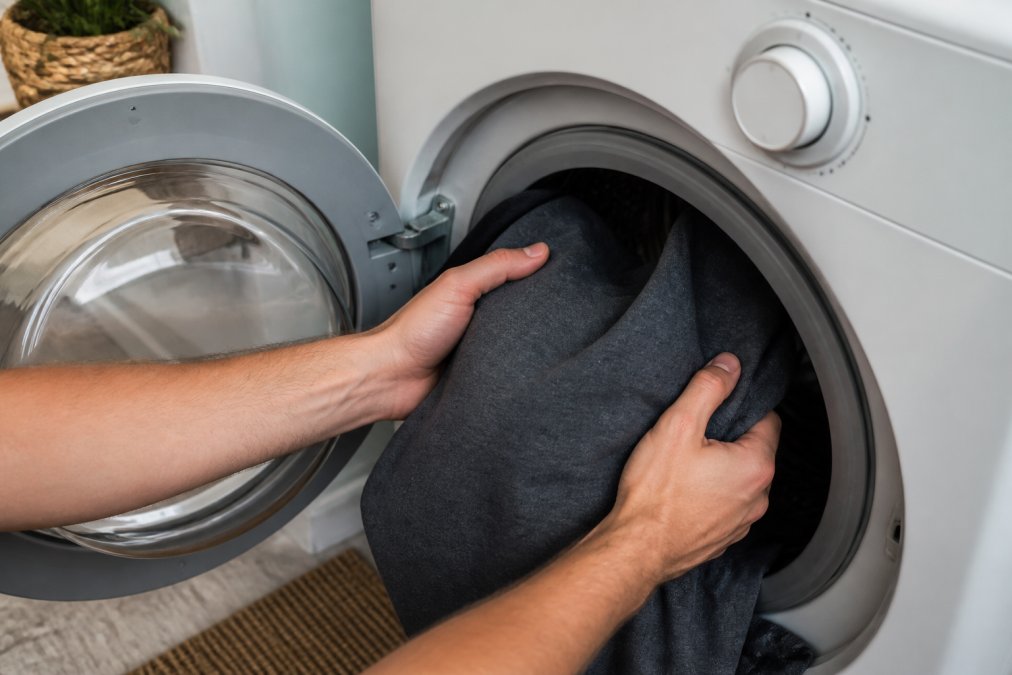
The most effective shrinkage prevention strategy is simple: avoid high heat. Cold water washing combined with air drying eliminates the primary cause of post-purchase shrinkage.
Cold Water Washing and Gentle Cycles
Cold water washing is non-negotiable if you want to prevent shrinkage. Cold water doesn't cause fiber swelling the way hot water does. Water temperature should be below 60 degrees Fahrenheit for maximum protection (the FTC).
Beyond temperature, the wash cycle matters. Gentle or delicate cycles use less agitation, meaning less mechanical stress on the fabric weave. If your shirt's care label recommends a gentle cycle, follow it, that recommendation exists because the fabric needs less mechanical stress to maintain integrity.
Detergent choice is less critical than water temperature, but standard or delicate-fabric detergent works fine with cold water and doesn't require heat to clean effectively.
Air Drying vs. Machine Drying
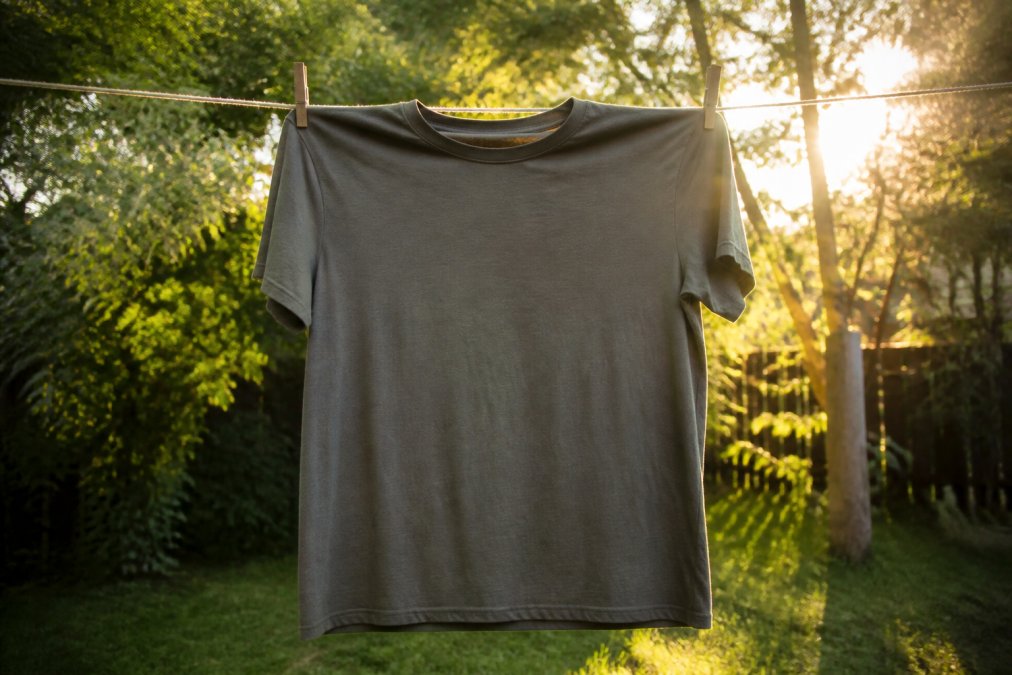
Air drying is the gold standard for shrinkage prevention. Hanging or laying your shirt flat to dry allows moisture to evaporate without heat, eliminating the thermal contraction that causes permanent shrinkage. A heavyweight tee takes 6-8 hours to air dry completely, depending on humidity, a small price for keeping your shirt fitting properly for years.

Machine drying, even on low heat, accelerates shrinkage. If you must use a dryer, use the lowest heat setting available and remove the shirt while still slightly damp.
Does Pre-Shrunk Cotton Shrink in the Dryer?
Yes, pre-shrunk cotton will shrink further if exposed to machine drying, especially at high temperatures. The pre-shrinking process removes most, but not all, of the shrinkage potential. Residual shrinkage of 2-5% is still possible with heat exposure.
Care labels on pre-shrunk garments typically recommend air drying or low-heat drying because the manufacturer has already removed bulk shrinkage risk but acknowledges that additional heat can still cause problems. Pre-shrunk premium shirts are designed to be stable with proper care, cold water washing and air drying keeps them stable indefinitely.
Best Way to Wash Heavyweight T-Shirts
Heavyweight tees require a different approach than standard cotton shirts because their denser construction makes them more susceptible to damage from improper care. The weight and density that make these shirts durable also means they absorb more water and take longer to dry, increasing the window for shrinkage if heat is applied.
Step-by-Step Washing Instructions
Step 1: Sort and Prepare (2 minutes) Separate your heavyweight tees from lighter garments. Turn each shirt inside-out to protect the printed or dyed exterior. Check pockets and close any zippers or buttons to prevent snagging.
Step 2: Load the Machine (1 minute) Don't overload. A standard washing machine should handle 4-5 heavyweight tees comfortably. Overcrowding prevents proper rinsing and can trap detergent in the fabric.
Step 3: Choose Cold Water and Gentle Cycle (0 minutes, just select) Set water temperature to cold (below 60°F). Select a gentle or delicate cycle if your machine has one.
Step 4: Add Detergent (1 minute) Use the recommended amount for your load size. Heavy detergent concentration can leave residue on heavyweight fabric, affecting softness and color vibrancy.
Step 5: Run the Cycle (30-45 minutes) Let the machine complete the full cycle. Don't interrupt or manually advance.
Step 6: Remove Promptly (2 minutes) Take shirts out immediately after the cycle ends. Don't let wet shirts sit in the machine, as moisture can cause mildew and color bleeding.
Care Label Decoding for Shrinkage Control
Care labels on premium shirts contain specific instructions designed to prevent shrinkage and damage. A label recommending "cold water wash" means exactly that, not warm or tepid. "Gentle cycle" means use the delicate or hand-wash setting. "Lay flat to dry" or "hang to dry" means don't use the dryer at all.
Look for percentage information on the label. "100% cotton" means the shirt will respond to heat and moisture as described above. "60% cotton, 40% polyester" indicates a blend that may have different shrinkage characteristics, polyester resists shrinkage better than cotton, so blends shrink less overall. The Trail Explorer's premium heavyweight tees use either 100% combed ring-spun cotton or strategic blends that maintain durability while improving shrinkage resistance.
A label stating "pre-shrunk" confirms that the manufacturer has already removed most shrinkage potential, indicating the brand invested in the extra manufacturing step to ensure sizing stability.
Shrinkage Percentages in Premium Garments
Untreated cotton can shrink 10-15% in both length and width when exposed to hot water and high-heat drying. Pre-shrunk premium cotton typically shrinks 2-5% after purchase, assuming proper care with cold water and air drying. This residual shrinkage accounts for the fiber's natural response to moisture and slight relaxation during the first few washes.
Blended fabrics (cotton-polyester blends) shrink less because polyester fibers resist shrinkage. A 60/40 cotton-polyester blend might shrink only 1-3% under the same conditions as 100% cotton. Heavyweight ring-spun cotton from quality manufacturers typically performs better than standard cotton, shrinking less even under similar washing conditions.
How to Shrink a Shirt Intentionally (or Restore One)
Sometimes you want to shrink a shirt intentionally, either because it's too large or because you want to restore a favorite that's already stretched out.
Intentional Shrinking for Better Fit
If your premium shirt is too large, wash it in hot water (130°F or higher) on a standard cycle, then dry it in a machine dryer on medium or high heat. This combination will cause maximum shrinkage, typically 5-10% depending on the fabric.
Be cautious: intentional shrinking is permanent and irreversible. Test with a shirt you're less attached to first. Shrink gradually by using medium heat initially, checking the fit after each cycle, and repeating if needed.
Repairing Shrunk Garments
A shirt that's already shrunk can sometimes be partially restored. Soaking the shirt in cool water with a gentle hair conditioner or fabric relaxant for 15-20 minutes can help relax the fibers slightly. After soaking, gently stretch the shirt back to its original dimensions while damp, then lay it flat to dry.
This method works best on minor shrinkage (1-2 inches) and is more effective on blended fabrics than 100% cotton. However, don't expect dramatic results, the fibers have already set into their contracted configuration. For significant shrinkage, restoration is usually not worth the effort.
Choosing Premium Shirts That Resist Shrinkage
When selecting premium heavyweight shirts, look for specific indicators that the garment will resist shrinkage better than standard alternatives. Fabric weight is the first signal, heavier fabrics (6+ ounces per square yard) have denser construction that limits shrinkage. The Trail Explorer's premium heavyweight tees are built at 6.5 ounces per square yard.
Ring-spun cotton, where fibers are twisted more tightly during processing, creates stronger yarn with better dimensional stability. Combed cotton, where short fibers are removed before spinning, produces cleaner, more uniform yarn that also resists shrinkage better. Premium brands use both techniques, combed ring-spun cotton, to maximize shrinkage resistance.
Pre-shrinking is a quality indicator. If the care label states "pre-shrunk," the manufacturer has already removed most shrinkage potential. This extra manufacturing step costs more, signaling that the brand invested in quality.
Blend composition affects shrinkage characteristics. Pure 100% cotton is beautiful but shrinks more than blends. A 60/40 cotton-polyester blend resists shrinkage better while maintaining most of the comfort and breathability of pure cotton. The Trail Explorer offers both options.
Care label recommendations reveal what the manufacturer expects. Read the label before buying, it tells you what level of care commitment you're making.
According to research from the Textile Exchange on cotton sustainability and quality standards, premium cotton production focuses on fiber length and strength, both of which contribute to better dimensional stability.
Shrinkage in premium shirts is controllable. Cold water washing and air drying eliminate the primary causes of unwanted shrinkage. By understanding the fabric science and following care instructions, you'll keep your favorite heavyweight tees fitting right for years. The Trail Explorer's premium heavyweight collection is built with combed ring-spun cotton and pre-shrunk construction specifically to resist shrinkage when cared for properly. Subscribe to our emails for exclusive care tips and new designs that celebrate the off-road lifestyle.
| Care Method | Shrinkage Risk | Time Required | Best For |
|---|---|---|---|
| Cold water + air dry | Minimal (2-5%) | 6-8 hours | All premium shirts |
| Cold water + low-heat dryer | Low (3-7%) | 45 minutes | Quick drying when needed |
| Hot water + air dry | Moderate (5-10%) | 6-8 hours | Intentional shrinking |
| Hot water + high-heat dryer | Maximum (10-15%) | 45 minutes | Intentional significant shrinking |
Frequently Asked Questions
Will my 60% cotton 40% polyester shirt shrink?
A 60/40 cotton-polyester blend typically shrinks less than 100% cotton because the synthetic fibers resist thermal contraction. Expect 2-5% shrinkage with standard washing and drying. The polyester component adds dimensional stability, making blended shirts more forgiving. However, heat exposure in the dryer still causes some shrinkage, so cold water washing and air drying are still recommended for best results.
How much will a 100% cotton shirt shrink?
A 100% combed ring-spun cotton shirt can shrink 5-10% if exposed to hot water and high heat drying. Pre-shrunk cotton typically shrinks only 2-3% after initial processing. The amount depends on fabric density, weave construction, and washing method. Premium heavyweight tees with higher fiber density (like 6.5 oz/yd²) shrink less than lightweight options. Using cold water and air drying keeps shrinkage to under 2%.
Does pre-shrunk cotton actually stay the same size?
Pre-shrunk cotton has already undergone controlled shrinkage during manufacturing, removing most residual shrinkage potential. However, it can still shrink an additional 1-3% with repeated hot water washing and machine drying. The key is that pre-shrunk fabric starts from a smaller base, so final shrinkage is minimal. Proper care, cold water, gentle cycles, and air drying, keeps pre-shrunk garments stable throughout their lifespan.
What's the best way to wash premium heavyweight tees to minimize shrinkage?
Wash heavyweight tees in cold water (60-70°F) using a gentle or delicate cycle. Turn the shirt inside out to reduce agitation and fading. Use mild detergent and avoid fabric softeners, which can weaken fibers. Skip the dryer entirely, air drying on a flat surface or clothesline is the gold standard for preserving fit and preventing shrinkage. If you must machine dry, use the lowest heat setting and remove the shirt while still slightly damp.
This article was written using GrandRanker