

Table of Contents
- Do Heavyweight Cotton Shirts Actually Shrink?
- How Much Does a 100% Cotton Shirt Shrink?
- What Causes Cotton Shrinkage: Temperature, Moisture, and Fabric Weight
- How to Wash Cotton Shirts Without Shrinking
- Should You Size Up for 100% Cotton Shirts?
- How to Unshrink a Cotton Shirt: Recovery Methods
- Measuring Shrinkage at Home: A Simple Method
- Frequently Asked Questions
Last Updated: October 10, 2026
Do Heavyweight Cotton Shirts Actually Shrink?
Yes, do heavyweight cotton shirts shrink? The answer is yes, but the amount depends on how you care for them.
When cotton fibers get wet and heated, they contract, a process called fiber relaxation.
You can prevent most shrinkage with the right care approach. At The Trail Explorer, we craft premium heavyweight tees designed to last through serious outdoor adventures.

How Much Does a 100% Cotton Shirt Shrink?
A 100% cotton shirt typically shrinks 3-5% when exposed to hot water and high dryer heat. The first wash causes the most noticeable shrinkage; subsequent washes produce less as fibers stabilize.
When asking do heavyweight cotton shirts shrink, the answer is that they shrink less than lighter-weight versions because the denser weave resists fiber movement more effectively.
Shrinkage varies by fabric construction, cotton processing, water temperature, dryer heat, and wash frequency.
What Causes Cotton Shrinkage: Temperature, Moisture, and Fabric Weight
Cotton shrinkage occurs because fibers stretched during manufacturing relax and contract when wet. Heat accelerates this process.
Understanding Fabric Weight vs. Shrink Resistance
Heavyweight cotton (6+ oz/sq yd) doesn't automatically resist shrinkage better than lighter fabric. A densely woven heavyweight shirt shrinks less than a loosely woven lightweight shirt if both are untreated, but a preshrunk lightweight shirt shrinks far less than an untreated heavyweight shirt.
Shrinkage resistance depends on: (1) tight weave construction, (2) factory treatment (preshrunk, compacted, or garment-dyed), and (3) home care (water temperature, dryer heat). An untreated heavyweight shirt can shrink 5%+; a preshrunk lightweight shirt may shrink only 1-2%.
Hot Water and Dryer Heat as Primary Culprits
Hot water is the biggest cause of cotton shrinkage.
Hot water penetrates fibers faster, causing rapid relaxation and contraction.
Hot water plus high heat creates maximum shrinkage risk, up to 5% in one cycle. Cold water plus air drying shrinks less than 1%.
Cold water reduces shrinkage because fibers relax more slowly. Paired with air drying, it eliminates most shrinkage risk. Modern detergents work effectively in cold water.
Preshrunk vs. Untreated Cotton
Preshrunk cotton has undergone controlled shrinking at the factory, so it shrinks very little at home, typically 1-2% even with hot water and machine drying.
Untreated cotton shrinks noticeably on first wash, especially with hot water and heat drying, typically 3-5%.
Check your care label for "preshrunk," "compacted," or "sanforized." If no shrink treatment is mentioned, assume the shirt is untreated. Many premium heavyweight tees use preshrunk ring-spun cotton for baseline shrinkage resistance.

Garment-Dyed Cotton and Fabric Relaxation
Garment-dyed cotton is dyed after the shirt is made, involving heat and moisture that cause initial shrinkage at the factory. These shirts may shrink less on first home wash than untreated cotton, but can still shrink further with hot water and dryer heat. The vintage faded look is intentional; air drying preserves this character better than high dryer heat.
How to Wash Cotton Shirts Without Shrinking
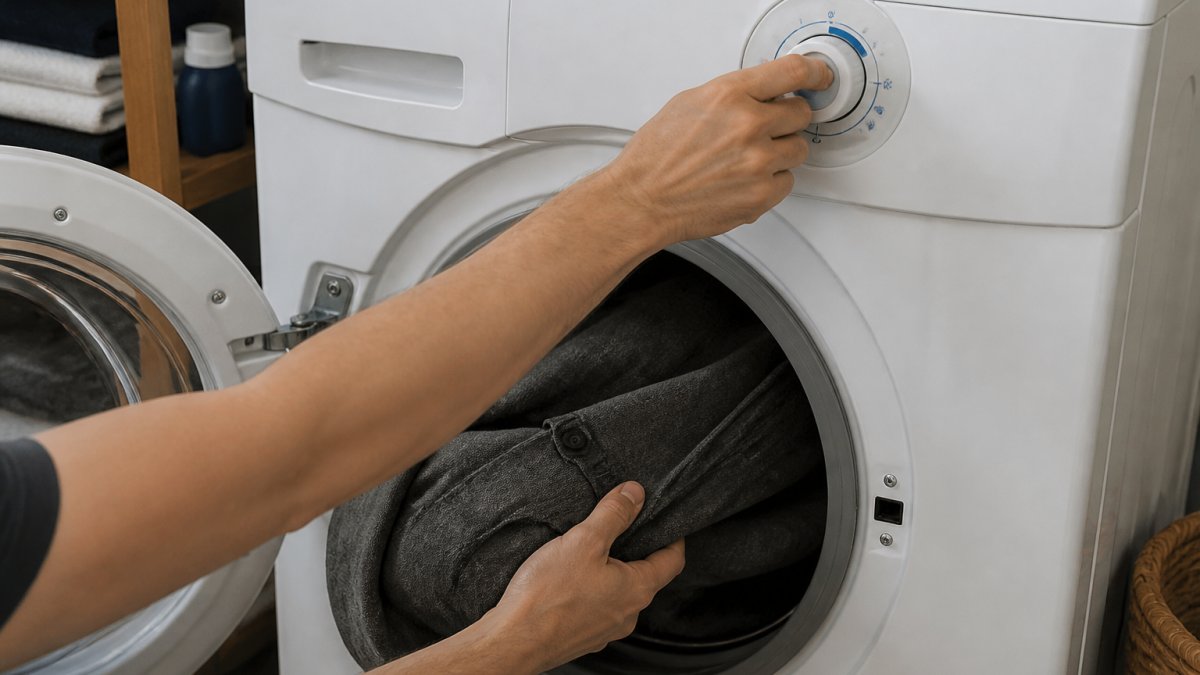
Prevent shrinkage by avoiding heat: use cold water and air dry. Turn the shirt inside out, wash on any cycle with cold water, remove immediately after washing, and air dry flat or hung. Skip the dryer entirely.
Cold Water and Low-Heat Drying
Cold water is the most effective shrinkage prevention tool. If you must use a dryer, select the lowest heat setting. Modern detergents work well in cold water and clean just as effectively as hot water for most loads.
Air Drying and Line Drying Best Practices
Air drying produces zero shrinkage. Lay the shirt flat on a clean towel or hang it evenly on a clothesline (hanging from shoulders only can cause stretching). Flip halfway through for even drying. Avoid direct sunlight on colored or printed shirts.
Should You Size Up for 100% Cotton Shirts?
If you'll wash in cold water and air dry, sizing up is unnecessary. If you might occasionally use hot water or the dryer, sizing up by one size provides insurance. However, sizing up creates an initially loose fit.
Our premium heavyweight tees like the Men's Premium Heavyweight Tee Trail Soda are designed to fit well at their true size when cared for properly. The structured fit works best when the shirt maintains its original dimensions.
How to Unshrink a Cotton Shirt: Recovery Methods
If your shirt has shrunk, recovery depends on how much and how quickly you act. Most success occurs within the first few washes with shrinkage of 1-2 inches or less. Shirts shrunk more than 2 inches or through many cycles are unlikely to return to original dimensions.
When to Attempt Recovery
Attempt recovery only if the shirt shrank noticeably but is still wearable. If it's too small or shrank less than 0.5 inches and still fits, leave it alone, repeated stretching weakens fibers.
The Glycerin Method (Best for Moderate Shrinkage)
Glycerin softens cotton fibers for gentle stretching. Mix 1 tablespoon glycerin into 1 gallon warm water (90-100°F). Submerge the shirt for 30 minutes, then lay flat and gently stretch in all directions while wet. Pin edges if needed and air dry completely. Expected recovery: 0.5-1.5 inches for moderately shrunken shirts.
The Vinegar Soak (Quick Alternative)
White vinegar relaxes cotton fibers similarly to glycerin but works faster and is likely already in your home.
Men’s premium heavyweight tee Trail Soda →
What you'll need:
- One part white vinegar (5% acidity) (Publication : USDA ARS)
- Four parts cool water
- A clean sink or basin
- A measuring tape
- A clean, flat towel
Step-by-step:
- Mix the vinegar and water in a basin.
- Submerge the shirt and soak for 15 minutes.
- Lift the shirt out gently and lay it flat on a towel.
- Stretch gently in all directions while still wet, measuring as you go.
- Allow to air dry completely without heat.
Expected results: Similar to the glycerin method, typically 0.5-1 inch of recovery. The vinegar smell will fade as the shirt dries.
The Blocking Method (Most Controlled)
Blocking uses gentle stretching and pinning to hold the shirt in its original shape while drying. This method gives you the most control over the final dimensions.
What you'll need:
- A blocking board, clean towel, or flat surface
- T-pins or sewing pins
- A measuring tape
- Your original measurements (or a reference shirt of the correct size)
- Warm water and mild detergent
Step-by-step:
- Wash the shirt in warm water (around 100°F) with mild detergent. Do not use hot water.
- While the shirt is still wet, lay it flat on your blocking surface.
- Gently stretch the shirt to match your original measurements (or the reference shirt). Work from the center outward to avoid uneven stretching.
- Use pins to hold the edges in place, pinning through the fabric into the blocking board or towel underneath. Space pins every 2-3 inches around the perimeter.
- Allow the shirt to dry completely (6-12 hours). Do not apply heat.
- Remove the pins carefully and measure the final dimensions.
Expected results: Blocking often produces the best results because you're controlling the exact final dimensions. Recovery of 1-2 inches is possible if you catch the shrinkage early. The downside is that it requires more time and setup.
The Steam Method (Risky, Use with Caution)
Steam relaxes fibers through heat and moisture, but it carries a risk of causing additional shrinkage if the temperature is too high.
What you'll need:
- A garment steamer or kettle with steam
- A clean, flat surface
- A measuring tape
- Careful attention to temperature
Step-by-step:
- Lay the shirt flat on a clean surface.
- Hold a garment steamer 6-8 inches above the fabric and apply low heat. Alternatively, hold the shirt carefully over steam from a kettle, keeping it at least 8 inches away from the spout.
- As the fabric becomes warm and slightly damp from the steam, gently stretch the shirt in the direction of shrinkage.
- Work slowly and avoid excessive heat, which can cause additional shrinkage.
- Allow the shirt to cool and dry completely before measuring.
Expected results: This method is unpredictable and works best for very minor shrinkage (less than 0.5 inches). The risk of additional heat damage makes it a last resort.
Measuring Recovery Progress
Use the same measurement method described in the "Measuring Shrinkage at Home" section to track whether your recovery attempt worked. Measure chest width, length, and sleeve length before attempting recovery and again after the shirt has fully dried.
If recovery was partial, you can repeat the process, though diminishing returns typically occur after the second attempt. Repeated soaking and stretching can weaken fibers, so don't exceed two recovery attempts on the same shirt.
When to Accept the Shrinkage
If a recovery method doesn't restore the shirt to wearable dimensions after one or two attempts, accept the shrinkage and adjust your expectations. A shirt that shrank from large to medium-large may still be wearable as a fitted shirt or layering piece. Alternatively, consider donating it or repurposing it for a different use (gym wear, sleepwear, or craft projects). Continuing to attempt recovery beyond this point risks weakening the fibers further without meaningful results.
Measuring Shrinkage at Home: A Simple Method
Measuring your shirt before and after the first wash tells you exactly how much your specific shirt shrinks.
What you'll need:
- A measuring tape or ruler
- Paper and pencil
- A flat surface
- Your unwashed shirt
Step-by-step measurement:
- Lay the shirt flat on a clean, dry surface
- Measure the chest width from armpit to armpit (double this number for full width)
- Measure the length from the bottom of the collar to the hem
- Measure the sleeve length from the shoulder seam to the wrist
- Write down all three measurements
- Wash the shirt using your normal method
- Lay it flat to dry completely
- Measure the same three dimensions again
- Compare the numbers to see the actual shrinkage
Calculate the shrinkage percentage: (original measurement minus new measurement) divided by original measurement, times 100.
For example, if your shirt was 30 inches long and is now 29 inches, that's 3.3 percent shrinkage.
This simple test shows you exactly how your washing and drying method affects your specific shirt. Use this information to adjust your care routine if needed.
| Measurement | Original | After First Wash | Shrinkage |
|---|---|---|---|
| Chest Width | ___ inches | ___ inches | ___ % |
| Length | ___ inches | ___ inches | ___ % |
| Sleeve Length | ___ inches | ___ inches | ___ % |
Heavyweight cotton shirts do shrink, but you control how much. If you're investing in premium apparel like our Men's Premium Heavyweight Tee The Trail Explorer, proper care protects that investment.
Frequently Asked Questions
Do heavyweight cotton shirts shrink more than regular cotton?
Heavyweight cotton shirts can shrink, but the amount depends on fabric treatment and care, not weight alone. A 100% cotton shirt may shrink 3-5% in length and width with hot water and dryer heat. Preshrunk heavyweight cotton shrinks less because the fibers have already undergone compaction. Ring-spun cotton in shirts like The Trail Explorer's premium heavyweight tees resists shrinkage better than loose-weave fabrics due to tighter fiber construction. Garment-dyed cotton, used in some heavyweight styles, may experience additional fiber relaxation in the first wash.
How much will a 100% cotton shirt shrink?
A 100% untreated cotton shirt typically shrinks 3-5% in both length and width when exposed to hot water and high heat drying. For example, a shirt measuring 20 inches wide could shrink to 19-19.4 inches. Preshrunk cotton shrinks less, usually 1-2%. Repeated washing cycles can cause additional shrinkage as cotton fibers relax over time. The actual amount depends on initial fabric construction, water temperature, and drying method. Measuring your shirt before and after the first wash gives you the most accurate estimate for your specific garment.
Should I size up for 100% cotton shirts?
Sizing up is unnecessary if you wash in cold water and air dry. However, if you use hot water and a dryer regularly, sizing up by one size may compensate for expected shrinkage. Check the care label and size chart before ordering. The Trail Explorer's premium heavyweight tees provide detailed measurements in inches for each size, allowing you to account for potential shrinkage. If you typically wear a medium and plan to machine dry on high heat, a large may be safer. For most users who follow cold-water, low-heat care, standard sizing works fine.
Can you actually unshrink a cotton shirt?
Partial recovery is possible using gentle stretching and moisture. Soak the shrunken shirt in cool water to relax the fibers. Gently stretch the fabric back toward its original dimensions while damp, paying attention to length and width. Lay it flat on a clean towel to dry, continuing to adjust the shape as it dries. This method works best on lightly shrunken garments and may recover 50-70% of lost size. Heavily shrunken shirts are difficult to fully restore. Prevention through proper washing is more effective than recovery.