

Last Updated: October 25, 2026
Quick Summary
The best sun protective clothing for desert hiking combines a high UPF rating, breathable fabric, and a loose fit that keeps material off your skin. Choose lightweight long-sleeve sun shirts or hoodies in tightly woven synthetics like polyester or nylon, which block UV and dry fast.
- Long sleeves beat short sleeves in the desert because loose fabric shades skin while air moves underneath.
- UPF 50 fabric allows roughly 2 percent of UV radiation to pass through, blocking about 98 percent.
- Wetting, stretching, and wear all reduce a fabric's real-world UPF protection below its label rating.
- Polyester dries fastest and performs best all-around for hot, dry days; cotton holds sweat and stays damp.
- Size up for airflow, then check reach, hem, and hood-and-hat fit before you commit.
Table of Contents
- What Makes Desert Hiking Clothing Different
- Best Sun Shirts for Hiking: Coverage Without the Heat
- Best Sun Hoodies for Hiking: Full Head and Neck Protection
- Best Fabric for Hot-Weather Hiking: UPF, Breathability, and Dry Time
- Desert Hiking Clothing Checklist: Head to Toe
- Fit, Coverage, and Mobility in Extreme Heat
- Dust, Abrasion, and Snag Resistance on the Trail
- Shop The Trail Explorer for Your Next Desert Hike
- Frequently Asked Questions
What Makes Desert Hiking Clothing Different
Desert hiking breaks the normal rules of dressing for the outdoors. In most environments you dress for warmth and shed layers as you climb.
We build trail apparel at The Trail Explorer, so we think about this constantly.
That combination is harder to pull off than it sounds. Add too much coverage and you overheat. Add too little and you burn.
Best Sun Shirts for Hiking: Coverage Without the Heat
The best sun shirts for hiking are lightweight, long-sleeve tops with a high UPF rating, loose fit, and fabric that moves sweat away from your skin.
Two details separate a real sun shirt from a regular tee. First, the UPF rating, which tells you how much UV radiation the fabric blocks. Second, the weave.
Our Unisex Long Sleeve Tee Polaris Pro R is built for riders and hikers who want a durable layer, and it pairs well with a wide-brim hat when the sun is at its peak.

Long Sleeve vs. Short Sleeve in the Desert
Long sleeves win in the desert almost every time. Bare arms absorb direct sun and burn fast, and a loose long-sleeve layer shades your skin while letting air move underneath. Short sleeves make sense only for short, shaded hikes or early-morning starts.
Watch out: a tight long-sleeve shirt defeats the purpose. If fabric presses against your skin, sweat can't evaporate and you overheat faster than you would in a tee.
Best Sun Hoodies for Hiking: Full Head and Neck Protection
The best sun hoodies for hiking add a built-in hood that shields your neck, ears, and the back of your head, the spots people forget to cover.
Look for a hood that fits loosely and breathes. A snug hood traps heat and fogs your sunglasses.
Hoodies suit thru-hiking and long desert days where you can't reapply sunscreen every hour. Layer one over a thin base layer and you have a full upper-body sun system in a single garment.
Best Fabric for Hot-Weather Hiking: UPF, Breathability, and Dry Time
The best fabric for hot-weather hiking is a lightweight synthetic, usually polyester or nylon, with a UPF rating, high breathability, and a short dry time. Merino wool works for odor resistance but dries slower and costs more. That one-sentence answer is where most guides stop. For a deeper look at moisture-wicking trail shirts, see our dedicated guide. In the desert, the useful question is not which fabric wins on a spec sheet but how each fabric behaves once you are sweating, the fabric is wet, and the sun is directly overhead.
What UPF actually measures
UPF (Ultraviolet Protection Factor) is a fabric rating, not a sunscreen rating. A UPF 50 fabric allows roughly 1/50th of the UV radiation that hits it to pass through, about 2 percent, which is why UPF 50 is often described as blocking about 98 percent of UV. The rating is measured on fabric in a lab, typically dry and unstretched, so the number on the hangtag is a best-case figure. Three things reduce real-world protection:
- Wetting. Water fills the gaps between fibers and can transmit more UV. A thin, light-colored shirt that tests at UPF 30 dry may drop noticeably when soaked with sweat.
- Stretching. Pulling fabric tight opens the weave. A snug fit on shoulders and back can lower protection exactly where the sun hits hardest.
- Wear. Frayed fibers, thin spots, and repeated washing gradually open the weave. A shirt that has been through several hard seasons is not the shirt that earned the label.
A practical rule: buy a higher UPF than you think you need (UPF 40-50), keep the fit loose so the fabric is not stretched, and retire shirts once the weave looks thin when held to the light.
Breathability and the desert heat trap
Breathability is about moving moisture vapor and heat away from your skin. In dry desert air, evaporation is fast, which is good, but it only works if air can reach your skin and vapor can escape. Two design details matter more than fabric brand:
- Loose fit and open weave. Airflow under the fabric does more for comfort than a marginally lighter fabric in a tight cut.
- Ventilation features. Mesh panels, back vents, and pit zips help on high-output climbs, but they also create thin spots where UV protection is lower. Treat vents as heat-management tools, not sun protection.
A common pattern in arid heat: a very light, tightly woven shirt feels cooler at rest but can trap heat on a steep climb because it does not move enough air. A slightly heavier, looser weave often feels better under load. There is no single winner, match the fabric to the effort level.
Dry time and why it matters more in the desert
Fast dry time keeps fabric from staying damp against your skin, which is both a comfort and a cooling issue. Synthetics, polyester and nylon, dry fastest because they absorb very little water. Merino holds more moisture and dries slower, which is why it shines on cool mornings and multi-day odor control but can feel clammy on a hot afternoon. Cotton is the one to leave home: it holds sweat, stays damp, and loses breathability when wet.
How the main fabrics compare for desert conditions
| Fabric | UV Blocking | Breathability | Dry Time | Desert Trade-off |
|---|---|---|---|---|
| Polyester | High with tight weave | High | Fast | Best all-around for hot, dry days; can feel clingy when soaked |
| Nylon | High | Medium-high | Fast | Tougher against abrasion; slightly less breathable than polyester |
| Merino wool | Medium | Medium | Slow | Odor control for multi-day trips; slower to dry, higher cost |
| Cotton | Low | Low when wet | Slow | Not recommended, holds sweat and stays damp |
Desert Hiking Clothing Checklist: Head to Toe
A desert hiking clothing checklist should cover every inch of exposed skin, because the sun finds whatever you leave bare. Work from the top down and you won't miss a spot.
- Wide-brim sun hat or a visor for airflow
- UV-blocking sunglasses with side coverage
- Neck gaiter for face, neck, and dust protection
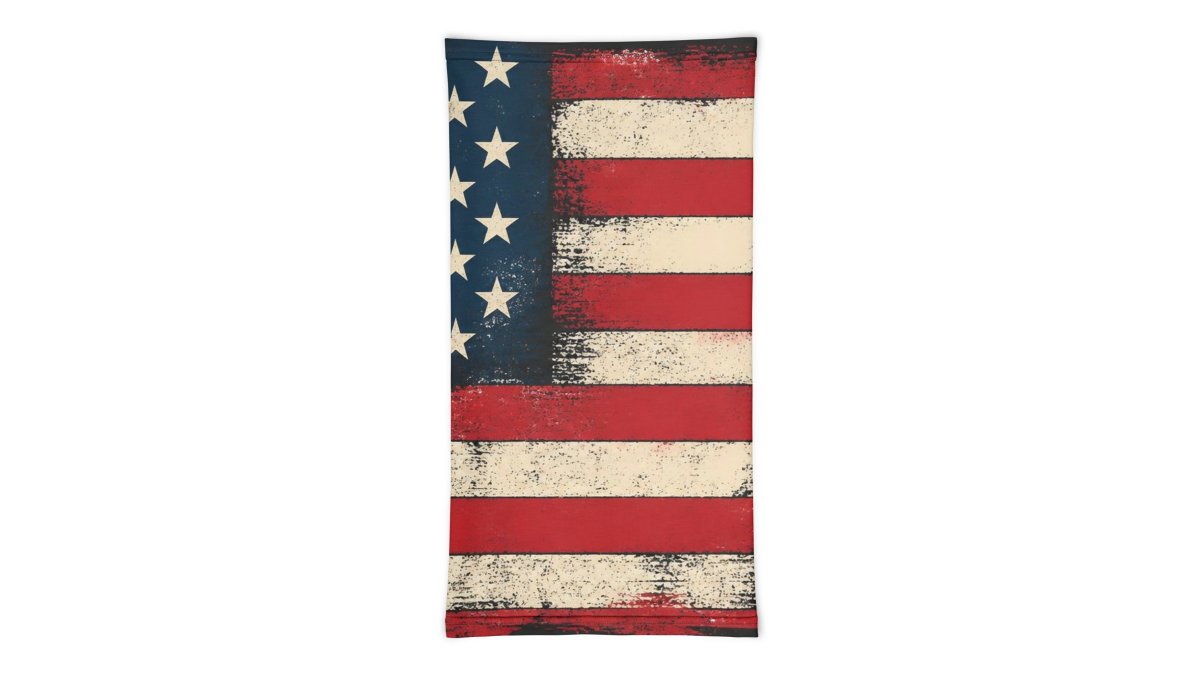
A neck gaiter pulls double duty in the desert. It shades your neck, and you can pull it over your mouth when wind kicks up dust.


Fit, Coverage, and Mobility in Extreme Heat
Fit matters as much as fabric in extreme heat, but most guides reduce it to "size up." In the desert, fit is really a coverage question: how much skin the garment shades, whether the fabric stays off your skin when you move, and whether the cut holds coverage while you reach, climb, and plant trekking poles. A shirt that fits well standing still can expose your lower back or wrists the moment you start hiking.
Coverage details that actually matter
- Neck and collar. A stand-up collar or a hood that covers the back of the neck protects one of the most commonly burned zones. A low, open collar leaves a gap between shirt and hat.
- Sleeve and cuff length. Sleeves should reach the wrist when your arms are extended, not just when relaxed. Thumb loops hold cuffs over the backs of your hands, a frequently missed spot, but check that the loops do not pull the shoulder tight.
- Hem length. A longer hem stays tucked under a hip belt and covers your lower back when you bend or reach overhead. A short hem rides up exactly when you are scrambling.
Mobility without losing coverage
Coverage and mobility pull against each other. Longer sleeves and hems protect more skin but can restrict movement if the cut is wrong. Look for raglan sleeves, gusseted underarms, and stretch fabric that recovers its shape, these let you reach and climb without the hem lifting or the shoulder seam pulling. A quick field test: put the shirt on, raise both arms overhead, and check whether the hem stays down and the cuffs stay at the wrist.
The sizing trade-off
Sizing down for a "fitted" look is the most common desert mistake. A loose cut lets air circulate, keeps fabric off your skin so sweat can evaporate, and preserves coverage when you move. A tight cut traps heat, stretches the weave (which can lower UPF protection), and limits mobility. Size up for airflow, especially on a long-sleeve layer you will wear all day, but not so much that the hood flops or the cuffs slide over your hands.
Dust, Abrasion, and Snag Resistance on the Trail
Desert trails punish fabric. Our technical guide to trail clothing durability explains these construction details in depth.
Abrasion resistance matters most at the shoulders, hips, and knees, where packs and rock contact hit hardest. Snag resistance matters on overgrown routes where branches grab at sleeves and hems.
Heavier fabrics resist abrasion better but breathe less, so there's a trade-off. For day hikes, a mid-weight synthetic balances the two.
Shop The Trail Explorer for Your Next Desert Hike
Desert heat rewards preparation. Build a system that covers your skin, breathes under load, and holds up to rock and dust, and you'll hike longer and cooler.
At The Trail Explorer, we make apparel for trail lovers who spend real time outdoors. Our neck gaiter handles sun and dust, our visor keeps air moving across your face, and our long sleeve tee gives you a durable coverage layer.
Get started with The Trail Explorer and gear up for your next desert hike with apparel made for the heat, the dust, and the long miles.
Frequently Asked Questions
Do UPF shirts actually work for desert hiking?
Yes. UPF-rated fabrics block ultraviolet rays before they reach your skin, and a UPF 50+ rating means roughly 1/50th of UV radiation passes through. That protection holds up best when the fabric is tight-woven, dark or medium-colored, and not stretched thin. Look for a UPF 50+ label on sun shirts and sun hoodies, and remember that wet or heavily stretched fabric can lose some protection. Combine the shirt with a wide-brim hat and sunscreen on exposed skin for full coverage.
Which is better for hiking, a sun shirt or a sun hoodie?
A sun hoodie adds built-in head and neck coverage, which matters most in open desert where the sun hits from multiple angles. A sun shirt is lighter and cooler if you already wear a hat and neck gaiter. For desert hiking, many hikers prefer a hoodie for the extra coverage without sunscreen on the neck, then pair it with a visor or cap. If you run hot, a long-sleeve sun shirt plus a separate neck gaiter gives you more ventilation options.
What is the best fabric for hot-weather hiking?
Lightweight synthetic fabrics, especially polyester mesh and polyester-spandex blends, dry fast and move sweat away from your skin. Merino wool offers odor resistance but dries slower. For desert hiking, prioritize breathability, moisture-wicking, and quick-drying performance over cotton, which holds water and stays heavy. Fabric weight matters too: a 4 to 7 oz./yd.² knit balances coverage and coolness, while heavier knits feel hotter on exposed trails.
Are long sleeves better than short sleeves for desert hiking?
Long sleeves usually win in the desert because they block ultraviolet rays on your arms and reduce how much sunscreen you need to reapply. The trade-off is heat, so pick a lightweight, breathable long-sleeve shirt with ventilation or a loose fit. Short sleeves feel cooler at rest but leave your forearms exposed during peak sun. If you burn easily or hike midday, long sleeves plus a neck gaiter and hat give the most consistent coverage.
What should I wear to protect my face and neck while hiking in the desert?
Start with a wide-brim sun hat or a visor with a high crown, then add a neck gaiter that you can pull up over your nose and mouth when dust or sun is intense. A sun hoodie covers the neck and ears without extra pieces. Sunglasses with UV protection and a small tube of sunscreen for your nose, ears, and hands fill the gaps. The goal is layered coverage you can adjust as heat, wind, and dust change through the day.
The desert doesn't forgive a bare neck or a thin shirt. Build your kit around coverage that breathes, and you'll stay cool when the sun is relentless. The Trail Explorer offers breathable neck gaiters, low-profile visors, and durable long-sleeve layers designed for trail lovers. Subscribe to our emails for new designs and trail-ready gear drops.
