

Table of Contents
- What Makes Trail Clothing Durable
- Synthetic vs Natural Fibers for Trail Durability
- Fabric Construction and Denier: The Foundation of Durability
- Abrasion-Resistant Hiking Fabrics and Technical Features
- How to Care for Technical Trail Clothing
- Sustainability vs. Durability: The Trade-Off
- Frequently Asked Questions
Last Updated: September 21, 2026
What Makes Trail Clothing Durable
Trail clothing durable enough to withstand repeated abuse takes a beating. Brush tears fabric. Sweat degrades fibers. UV rays fade colors. Repeated washing weakens seams. The difference between gear that lasts one season and gear that survives five years comes down to specific design choices, not luck, not marketing, but actual material science and construction technique.
Durable trail apparel depends on fiber selection, weave construction, stress-point reinforcement, and maintenance. This guide breaks down each factor so you can identify clothing built to last.
Durability depends on material selection, construction quality, fiber twist, weave density, and stress-point reinforcement working together.
Synthetic vs Natural Fibers for Trail Durability
The synthetic versus natural fiber debate shapes everything about how trail clothing performs. Both have legitimate advantages, and the best choice depends on your specific use case and climate.
Natural fibers like merino wool and cotton offer breathability but wear faster under abrasion. Cotton loses tensile strength with UV exposure and washing; merino wool pills readily and can shrink without proper care.
Synthetics like polyester and nylon resist UV degradation, dry faster, and reduce odor accumulation. Nylon excels in high-stress applications. The trade-off: synthetics feel less comfortable and trap heat compared to natural fibers.
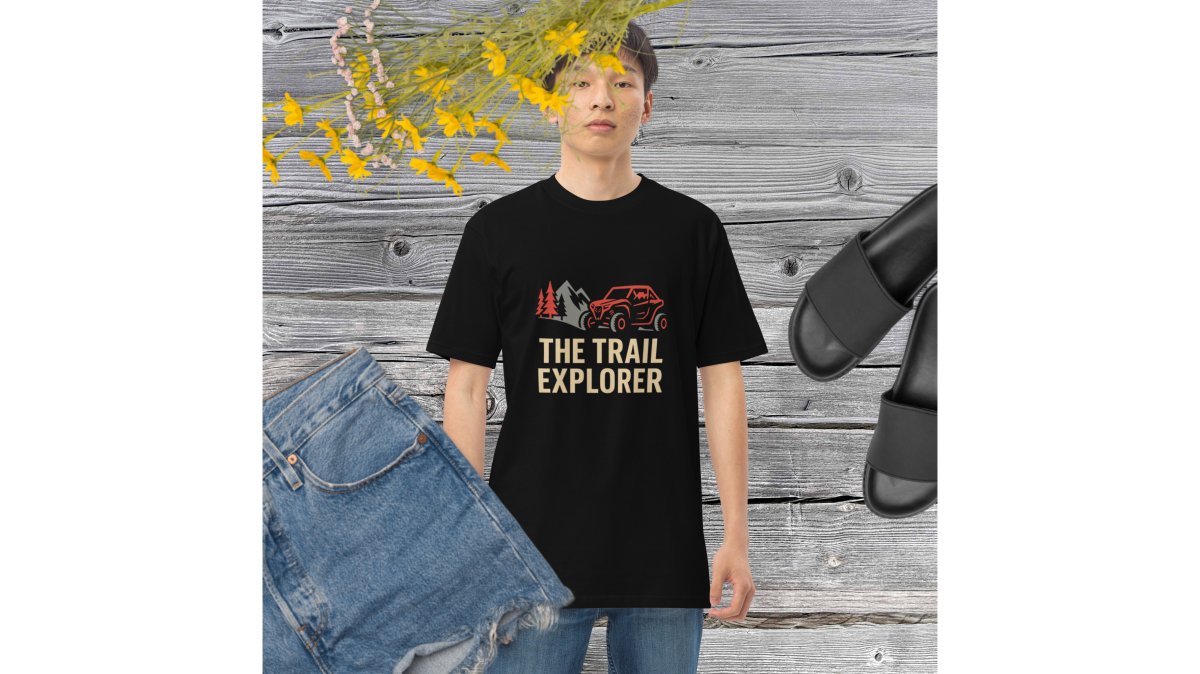
A 60% cotton / 40% polyester blend balances comfort with longevity. Our Men's Premium Heavyweight Tee Trail Soda uses this blend.

Fabric Construction and Denier: The Foundation of Durability
Fabric weight, measured in ounces per square yard or grams per square meter, directly correlates with durability. A 6.5 oz/yd² heavyweight tee uses roughly twice the fiber of a standard 3.5 oz/yd² shirt. More fiber means more material to wear through before failure occurs. It also means tighter weaves and greater resistance to tears and punctures.
How Denier Thickness Prevents Failure
Denier measures individual fiber thickness. A 20-denier thread distributes stress across twice the material of a 10-denier thread, delaying failure under friction and sharp edges.
Look for trail shirts labeled "20 singles" or higher, this indicates thicker yarn. Lightweight shirts using lower denier construction may fail faster under hiking and brush contact.
Understanding Fabric Weight and Weave Density
Tight weaves create barriers against abrasion and moisture. Trail apparel uses twill or ripstop weaves to distribute stress across multiple fibers rather than concentrating it on single threads.
Stress-Point Reinforcement and Seam Quality
Shirts fail at seams, the weakest point. Single-needle edge stitching, flatlock seams, reinforced collars with Lycra-enhanced ribbing, and side-seamed construction can contribute to durability.
Abrasion-Resistant Hiking Fabrics and Technical Features
DWR coatings prevent moisture accumulation and are reapplicable after 20-30 wash cycles. UPF 50+ ratings block 98% of UV radiation; synthetics achieve this better than cotton. Moisture-wicking technology pulls sweat away from skin; polyester blends excel at moisture transport, reducing odor and bacterial growth.
How to Care for Technical Trail Clothing
Durability extends far beyond manufacturing. How you wash, dry, and store trail clothing determines whether it lasts one season or five. Technical apparel requires different care than standard cotton shirts, and the reasons are rooted in fiber chemistry and coating science.
Washing: Protecting Fiber Integrity and DWR Coatings
Wash in cold water with mild detergent. Hot water can weaken synthetic fibers. Avoid chlorine-based bleach.
Detergent Selection and Agitation
Use mild detergents. Harsh detergents can damage synthetic fibers.
Turn shirts inside out before washing to reduce surface abrasion from agitation. The outer surface of trail clothing bears the most visible wear and fading; protecting it from direct contact with the washer drum extends color vibrancy and surface integrity. Wash with similar colors to prevent dye transfer, which can permanently stain lighter fabrics.
Use the gentle or delicate cycle on washing machines. A gentle cycle reduces mechanical stress on fibers and seams.
Drying: Heat Damage and Shrinkage
Dry on low heat or air dry whenever possible. High heat damages synthetic fibers and can cause shrinkage in cotton blends.
Men's heavyweight long sleeve t-shirt →
Air drying takes longer but preserves fiber integrity and color vibrancy. Lay the shirt flat or hang it in a shaded area away from direct sunlight. Direct sun exposure during drying can cause uneven fading and accelerate UV degradation of the fibers.
If you must use a dryer, use the lowest heat setting available and remove the shirt while still slightly damp. This prevents over-drying.
Storage and Long-Term Preservation
Store in a cool, dry place away from direct sunlight. UV exposure can degrade fabric even when the shirt isn't being worn. Polyester and nylon can degrade under UV light, losing color and tensile strength over time.
Fold rather than hang to prevent shoulder stretching over time. Hanging a wet or damp shirt allows gravity to stretch the shoulder seams, permanently distorting the fit. Folding distributes weight evenly and prevents localized stress.
Avoid storing in plastic bags, which can trap moisture and encourage mildew growth. Use breathable storage containers or open shelving whenever possible.
Stain Treatment and Spot Cleaning
Treat stains promptly. Dried stains are harder to remove and require more aggressive washing, which accelerates wear. For oil-based stains, apply a small amount of dish soap directly to the stain before washing. Dish soap can help break down oil.
For plant-based stains from mud or vegetation, let the fabric dry, brush off dried material, then wash normally. Wet mud can be harder to remove than dried mud. Allowing mud to dry first can make removal easier.
For protein-based stains (blood, sweat), use cold water only. Hot water can set protein stains. Cold water can make removal easier.
Maintenance Schedule for Maximum Longevity
The Men's Heavyweight Long Sleeve T-Shirt Take the Trail Less Traveled is constructed with soft-washed combed ring-spun cotton at 6.5 oz/yd², which means proper care will keep it looking good for years. Combed cotton has been processed to remove short fibers, resulting in a smoother, stronger final product.

For maximum durability, follow this maintenance schedule:
- Every 5-10 wears: Wash in cold water with mild detergent, air dry.
- Every 20-30 washes: Reapply DWR coating if the shirt is designed to be water-resistant.
- Every 1-2 years: Inspect seams and stress points for signs of wear. Minor fraying can be sealed with a fabric sealant to prevent further deterioration.
- Storage: Fold and store in a cool, dry, dark location away from direct sunlight.
This maintenance routine can extend the effective lifespan of trail clothing.
Sustainability vs. Durability: The Trade-Off
The most sustainable garment is one you wear for years. A durable shirt worn 100 times has far lower environmental impact per wear than a cheap shirt worn 10 times before disposal. This creates an interesting tension: the most durable trail clothing often uses synthetic fibers, which are petroleum-based and carry their own environmental cost. Natural fibers are renewable but wear out faster.
On-demand manufacturing reduces waste by eliminating overproduction. The Trail Explorer uses on-demand production, which means your order takes slightly longer to arrive but helps reduce overproduction.
Durability-focused design extends garment life. Reinforced seams, quality fabric, and thoughtful construction can contribute to sustainability.
Trail clothing durability comes down to material selection, construction technique, and maintenance. Heavyweight fabrics with tight weaves, reinforced stress points, and quality seams outlast cheaper alternatives by years. A 6.5 oz/yd² shirt with side-seamed construction can handle serious trail use. Invest in quality, follow care instructions, and you'll have gear that improves with age rather than falling apart after a season. The Trail Explorer's premium heavyweight tees are engineered for this kind of longevity, built with the fiber content, weight, and construction techniques that actually matter for durability. Get started with The Trail Explorer and experience apparel designed to survive your adventures.
Frequently Asked Questions
What fabric weight is best for durable trail clothing?
Fabric weight between 6.5 and 7.5 ounces per square yard (220-251 grams per square meter) offers the best balance of durability and wearability for trail use. This weight range provides sufficient tensile strength to resist abrasion from brush, rocks, and equipment contact while remaining breathable and comfortable during active use. Heavier fabrics resist tearing better, but excessively heavy materials can trap heat and restrict movement on challenging terrain.
How does ring-spun cotton improve trail clothing durability?
Ring-spun cotton is created by twisting short fibers together in a spiral, producing a stronger, smoother yarn than conventional cotton. This process increases fiber integrity and creates tighter weaves that resist snagging and abrasion. The smoother surface also resists pilling and maintains its appearance longer. Products like The Trail Explorer's premium heavyweight tees use 100% combed ring-spun cotton specifically for this durability advantage.
What's the difference between synthetic and natural fibers for trail durability?
Natural fibers like merino wool and cotton offer excellent breathability and comfort. Synthetic fibers like polyester can offer abrasion resistance, quick-drying properties, and color retention. A blend, such as 60% cotton and 40% polyester, combines the comfort of natural fibers with the durability of synthetics.
How should I wash trail clothing to maximize its lifespan?
Wash trail apparel in cold water inside out to protect prints and reduce fading. Use mild detergent and avoid fabric softeners. Air dry whenever possible; high heat can damage synthetic blends and cause shrinkage in cotton. Inspect seams and stress points regularly for early signs of wear. Proper care extends the life of your gear significantly, especially heavyweight fabrics designed for heavy use.