

Table of Contents
- How to Choose the Best Shirts for Outdoor Adventure
- Quick Comparison: Top Outdoor Adventure Shirts
- Moisture-Wicking Shirts for Hiking: Top Picks Reviewed
- Sun Protection Shirts for Outdoor Activities: What the UPF Ratings Mean
- Durable Off-Road Apparel: Built to Take the Abuse
- Multi-Sport Versatility and Sustainability: What Conscious Riders Should Know
- Which Outdoor Adventure Shirt Should You Pick?
- Frequently Asked Questions
Last Updated: August 30, 2026
Picking the wrong shirt for a trail day isn't just uncomfortable, it can turn a solid ride into a miserable grind. The best shirts for outdoor adventure need to manage moisture, block UV rays, resist wear, and move with you over obstacles and through backcountry. This guide breaks down top picks across moisture-wicking performance, sun protection, durability, and multi-sport versatility.
Quick Picks:
- Best for Off-Road Culture: The Trail Explorer Premium Heavyweight Tees
- Best Technical Performance: Arc'teryx Cormac Crew Neck
- Best Sun Protection: ExOfficio BugsAway Sol Cool Kaliani Hoody
- Best Budget Option: Under Armour Tech 2.0
How to Choose the Best Shirts for Outdoor Adventure
Choosing the right shirt means matching fabric technology to your activity, climate, and effort level.
Fabric Type: Synthetic vs. Merino Wool vs. Heavyweight Cotton
Synthetic fibers (recycled polyester and polyester-spandex blends) dominate technical outdoor shirts because they wick moisture aggressively, dry fast, and resist abrasion. Choose synthetics for high-output activities like trail running, steep hikes, or summer work around vehicles.
Merino wool regulates temperature across a wider range, resists odors naturally, and feels softer against skin. The tradeoff: it's less durable than synthetics and feels heavy when wet. Blends like Smartwool Merino Sport 150 split the difference well.
Heavyweight cotton breathes naturally and feels comfortable for casual wear. The problem: cotton holds sweat, takes forever to dry, and provides no UPF protection. For serious trail days, cotton is a liability; for campfire nights and casual wear expressing identity, it's hard to beat.
Fit, Range of Motion, and Body-Type Considerations
Technical shirts often cut for lean, tall builds, leaving bigger guys with longer torsos uncomfortable. Key details worth knowing:
- Articulated sleeves and gusseted underarms allow full arm extension without pulling the hem up
- Regular vs. athletic fit: athletic cuts are trimmer; regular fits allow more layering and suit wider body types
- Torso length: extended back hems matter for longer midsections
- Flatlock seams reduce chafing under pack straps on long days
Quick Comparison: Top Outdoor Adventure Shirts
| Shirt | Fabric | UPF Rating | Best For | Key Feature |
|---|---|---|---|---|
| The Trail Explorer Heavyweight Tees | Premium heavyweight cotton | N/A | Off-road culture, trail identity | Rock crawling designs, durable construction |
| Patagonia Capilene Cool Daily | Recycled polyester | Not rated | All-around hiking | HeiQ Pure odor control |
| Arc'teryx Cormac Crew | Recycled polyester waffle | UPF 40+ | High-output, hot weather | Low-profile merrow stitching |
| Outdoor Research Echo T | AirVent synthetic | UPF 15-20 | Ultralight hiking | Movement-Mirroring Stretch |
| Under Armour Tech 2.0 | Recycled polyester | Not rated | Budget performance | Loose fit, anti-odor |
| Columbia PFG Tamiami II | Synthetic | UPF 40 | Sun/water activities | Convertible sleeves, back vent |
| ExOfficio BugsAway Hoody | Synthetic | UPF 50+ | Bug-prone environments | Insect Shield lasts 70 washes |
| REI Co-op Sahara T | Polyester/spandex | UPF 30 | Budget hiking | Bluesign approved |
| Smartwool Merino Sport 150 | Merino/polyester blend | UPF 20+ | Temperature regulation | Natural odor resistance |
| Kuhl Aktivator Long Sleeve | Stretch synthetic | Not rated | Variable weather | Windproof, AEROKNIT underarm panels |
Moisture-Wicking Shirts for Hiking: Top Picks Reviewed
Moisture-wicking shirts pull sweat away from skin and spread it across fabric surface for faster evaporation. The best combine hydrophobic synthetics with strategic ventilation.
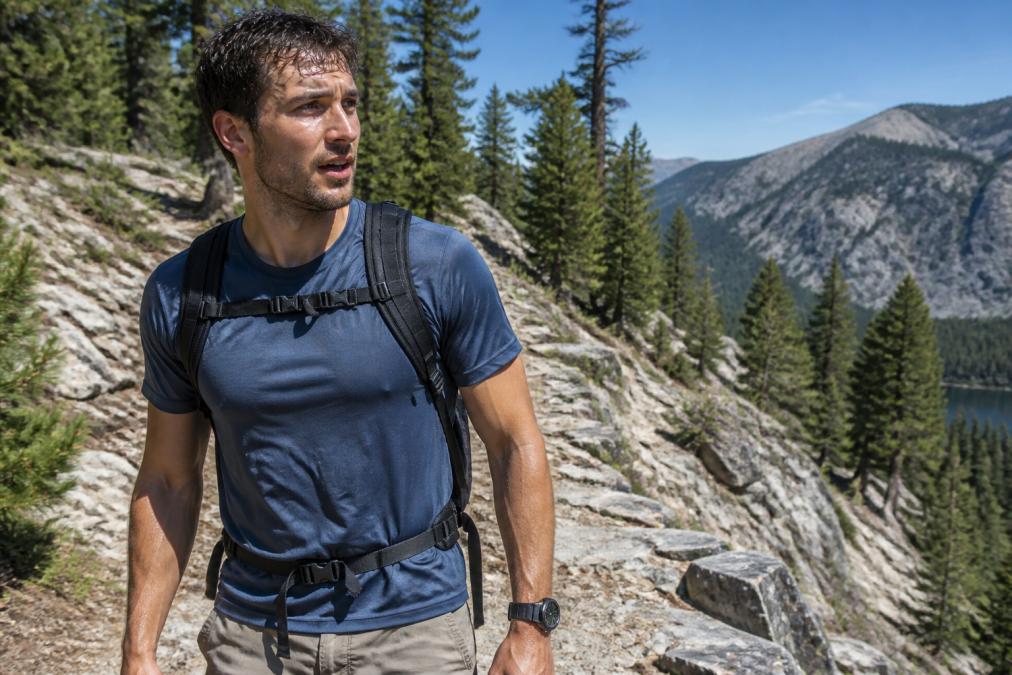
Patagonia Capilene Cool Daily Shirt
Made with 50-100% recycled polyester, it wicks efficiently and dries quickly. HeiQ Pure odor control keeps things manageable on multi-day trips. Set-in sleeves give clean range of motion, and Fair Trade Certified construction is a legitimate differentiator. Odor control is solid but not best-in-class for synthetics, merino still wins for back-to-back days without laundry.
Best for: All-around hiking and backpacking in cool to hot conditions.
Arc'teryx Cormac Crew Neck Shirt
The recycled polyester waffle fabric wicks aggressively and dries faster than most competitors. UPF 40+ sun protection is built in, and low-profile merrow stitching eliminates irritation on long days with a pack. Regular fit maximizes airflow while minimizing chafe. The price is steep, but for trail runners and fast hikers generating serious heat, it's worth the investment.
Best for: Trail running, steep hiking, and high-output activity in hot conditions.
Outdoor Research Echo T-Shirt
Ultralight AirVent fabric with Movement-Mirroring Stretch moves with you on technical terrain. ActiveFresh odor control performs well, and flat-seam construction prevents chafing. Some users report snagging over time, suggesting it's better for hiking than high-abrasion activities. UPF 15-20 is functional but not a dedicated sun shirt.
Best for: Hot weather hiking, running, and spring-through-fall base layering.
Under Armour Tech 2.0 Short Sleeve
Budget performance with quick-drying, moisture-wicking UA Tech fabric and anti-odor technology. Made with recycled, traceable polyester. Loose fit gives solid range of motion. Sizing can run inconsistent, and there's no meaningful UPF rating. Pair with a hat and sunscreen for sun exposure.
Best for: Budget-conscious adventurers wanting solid moisture management without specialized features.
Sun Protection Shirts for Outdoor Activities: What the UPF Ratings Mean
UPF (Ultraviolet Protection Factor) blocks UV radiation from passing through fabric. UPF 50+ blocks more than 98% of UV radiation, compared to unprotected white cotton offering as little as UPF 5 (skincancer.org). The Skin Cancer Foundation recommends UPF 30 as minimum standard for meaningful sun protection in outdoor clothing.
Columbia PFG Tamiami II Long Sleeve Shirt
Columbia's Omni-Shade UPF 40 protection and Omni-Wick moisture management make this a proven sun shirt. Mesh-lined vent at center back adds breathability, and convertible sleeves with tab holders adapt to changing conditions. Antimicrobial treatment keeps odor in check. Button-down style suits fishing and casual hiking but may feel restrictive for high-movement activities.
Best for: Fishing, warm-weather hiking, and activities requiring reliable sun protection.
ExOfficio BugsAway Sol Cool Kaliani Hoody
UPF 50+ sun protection, Insect Shield insect repellent (rated 70 washes), SILVADUR antimicrobial treatment, and Sol Cool active cooling technology. Hidden kangaroo pocket with zippered closures adds practical storage. The EPA registers Insect Shield as effective for mosquitoes, ticks, and other insects (the EPA).
Best for: Bug-prone environments, high sun exposure, and travel requiring comprehensive protection.
REI Co-op Sahara T-Shirt
Entry-level sun protection with UPF 30 rating, antimicrobial treatment, and quick-drying polyester-spandex fabric. Bluesign approved materials. Shoulder seams rolled forward avoid chafing under pack straps. Smart starting point for hikers building a trail wardrobe.
Best for: Budget-conscious hikers seeking reliable sun protection and quick-dry performance.
Durable Off-Road Apparel: Built to Take the Abuse
Durability means abrasion resistance at contact points for technical hiking, and for off-road riding, it means a shirt surviving repeated washing, resisting fading, and holding shape after hard use.
Smartwool Merino Sport 150 Tee
The 44% recycled polyester content adds durability and reduces pilling that plagues pure merino. Flatlock seams minimize chafing, and offset shoulder and side seams address pressure points under pack straps. UPF 20+ is modest but functional. Merino blends can't match pure synthetics' abrasion resistance, and this shirt may feel baggy when very wet.
Best for: Hikers prioritizing odor control and temperature regulation across varying conditions.
Kuhl Aktivator Long Sleeve Shirt
Warm yet lightweight, windproof, and water-resistant, it fills the gap between base and mid-layer. AEROKNIT underarm panels deliver airflow and stretch where needed, and 3D articulated patterning moves with your body. This is a technical long-sleeve for variable conditions, not a dedicated sun shirt.
Best for: Variable-temperature outdoor activities where windproof protection and stretch mobility matter.
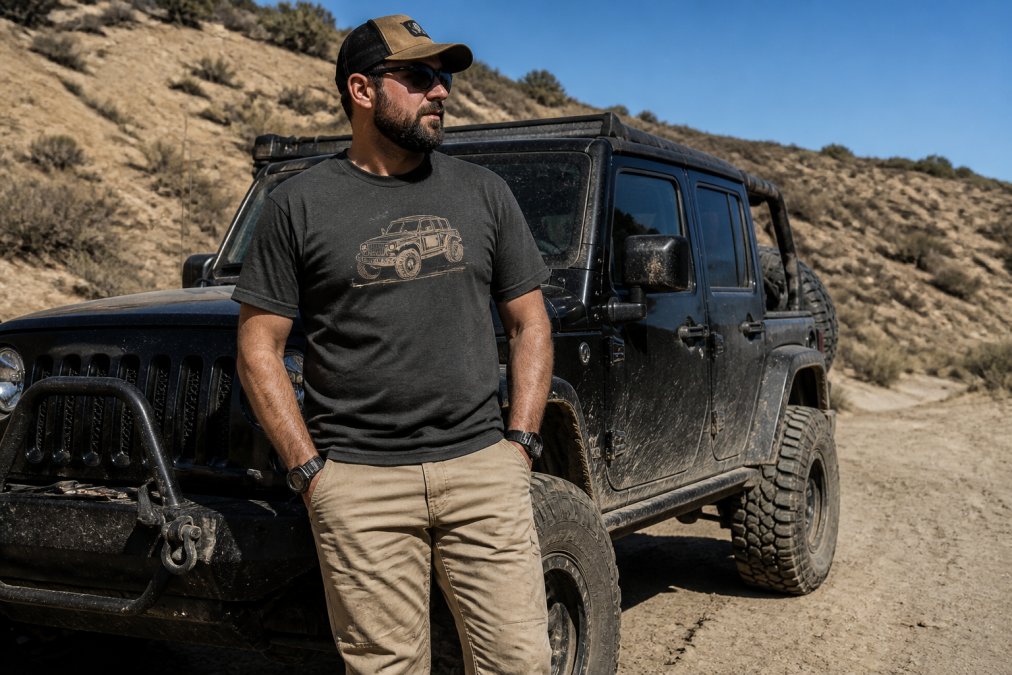
The Trail Explorer Premium Heavyweight Tees
Built for riders wanting durability, trailhead appeal, and apparel reflecting off-road identity. Designs focus on trail culture and rock crawling, not generic outdoor aesthetics. Heavyweight construction holds shape, resists wear that kills thinner shirts, and doesn't fade after seasons. Quality heavyweight cotton breathes differently than cheap cotton, the weave affects airflow, making well-made heavyweight tees genuinely comfortable for outdoor use. For riders spending time in vehicle cabs rather than running technical terrain, comfort, durability, and identity matter more than rapid evaporation.
Best for: Off-road enthusiasts, UTV and side-by-side riders, and trail culture devotees wanting durable apparel with genuine identity.
Multi-Sport Versatility and Sustainability: What Conscious Riders Should Know
The best outdoor shirts work across multiple contexts: morning hike, afternoon in the cab, evening at campsite. The Patagonia Capilene Cool Daily transitions from hiking to water activities. The Kuhl Aktivator handles cool-morning trail starts to afternoon wind. The Under Armour Tech 2.0 moves from trail to gym.
Sustainability increasingly matters to outdoor gear buyers. Several shirts use real credentials: Patagonia Capilene uses 50-100% recycled polyester with Fair Trade Certified sewn status. Arc'teryx Cormac uses recycled polyester. Under Armour Tech 2.0 uses recycled, traceable polyester. REI Sahara carries Bluesign approved materials certification.
Bluesign certification means fabric was produced with responsible resource and chemical use, a supply chain credential, not marketing. For riders reducing environmental footprint without sacrificing performance, prioritizing recycled synthetics and certified manufacturing is practical. Some brands offer take-back or repair programs extending garment life; Patagonia's Worn Wear program is the most established.
Which Outdoor Adventure Shirt Should You Pick?
| Your Priority | Best Pick | Why |
|---|---|---|
| Trail identity + durability | The Trail Explorer Heavyweight Tees | Built for off-road culture, holds up to hard use |
| Maximum breathability | Arc'teryx Cormac Crew | Best moisture management in the guide |
| Sun + bug protection | ExOfficio BugsAway Hoody | UPF 50+ and Insect Shield combined |
| Temperature regulation | Smartwool Merino Sport 150 | Merino blend handles wide temp range |
| Budget performance | Under Armour Tech 2.0 or REI Sahara | Solid wicking and value at lower price |
| Variable weather | Kuhl Aktivator Long Sleeve | Windproof, water-resistant, articulated fit |
| Warm-weather sun coverage | Columbia PFG Tamiami II | UPF 40, back vent, convertible sleeves |
Most guides push the most technical shirt available. That's not always right. If you're a 4x4 rider or UTV enthusiast spending half the day in a cab and half exploring on foot, you don't need a trail-running shirt engineered for tempo efforts. You need something lasting, fitting your body type, and representing how you see yourself outdoors.
Technical shirts are cut for athletic builds. If you're built differently, bigger through the chest, longer in torso, broader in shoulders, the "regular fit" on most performance shirts still runs narrow. Heavyweight tees with relaxed cuts often solve this better than any technical garment.
For layering systems: moisture-wicking base layer against skin, insulating mid-layer when temperatures drop, and durable water repellent outer when weather turns. Most shirts here function as base layers or standalone warm-weather pieces. The Kuhl Aktivator genuinely bridges base and mid-layer territory.
The market is flooded with options looking similar on spec sheets but performing differently in real conditions. Technical certifications matter, but so does construction quality, fit for your body type, and whether the shirt holds up after a full season of use.
The Trail Explorer focuses on riders and adventurers wanting both performance-level durability and apparel reflecting trail culture. Our premium heavyweight tees are built to last and designed around rock crawling and off-road identity that generic outdoor brands don't touch. Subscribe to our emails for new designs, trail culture content, and updates from the off-road community.
Frequently Asked Questions
Is cotton or moisture-wicking fabric better for outdoor adventure?
Moisture-wicking synthetic fabrics and merino wool blends outperform cotton for most outdoor activities. Cotton absorbs sweat and holds it against your skin, which causes chafing on long hikes and dangerous heat loss in cooler conditions. Synthetic fibers like polyester and nylon pull moisture away from your skin and dry fast, keeping you comfortable whether you're trail riding or rock crawling. The one exception is casual camp wear or low-intensity activities where a heavyweight cotton tee is perfectly fine.
What features should I look for in a shirt for off-road riding?
Prioritize breathability, abrasion resistance, and a fit that allows full range of motion. Ventilation panels or gusseted underarms help manage heat during high-output activity. A UPF rating of 30 or higher blocks meaningful ultraviolet protection when you're exposed for hours. Flatlock seams reduce irritation under gear straps. For trail riding specifically, odor-resistant or antimicrobial treatments matter because you're often out all day without a chance to change. Durability in the collar and sleeve cuffs is worth checking before you buy.
Why should I avoid cotton when hiking or trail riding?
Cotton has no meaningful moisture transport capability. Once it gets wet from sweat or rain, it stays wet, which adds weight, causes chafing, and drops your body temperature fast in cooler weather. Technical fabrics like recycled polyester or merino wool blends wick moisture away from your skin and dry in a fraction of the time. For short walks or casual wear around camp, cotton is fine. For anything physically demanding, it works against you.
How do I choose between a heavyweight tee and a technical performance shirt?
The choice comes down to what you're doing and how you want to look doing it. Technical performance shirts, made from lightweight synthetic fibers or merino wool, excel at moisture management, quick-dry performance, and sun protection during high-output activities like hiking or trail running. Heavyweight tees, like those from The Trail Explorer, prioritize durability, structure, and a bold look that holds up wash after wash. They're ideal for casual trail days, community events, and expressing your off-road identity without sacrificing comfort.
What UPF rating is adequate for outdoor activities?
UPF 30 blocks roughly 97% of UV radiation and is the minimum standard most outdoor gear reviewers recommend for sun-protective shirts. UPF 40 and UPF 50+ offer incrementally more protection and are worth choosing for long days in direct sun, especially at elevation or on open water. Shirts with UPF 15 or lower provide minimal protection and are not rated as sun-protective apparel. Check the label, since color, fabric weight, and weave tightness all affect the actual ultraviolet protection a shirt delivers.
This article was written using GrandRanker